Is Bamboo the Future of Biophilic Architecture?
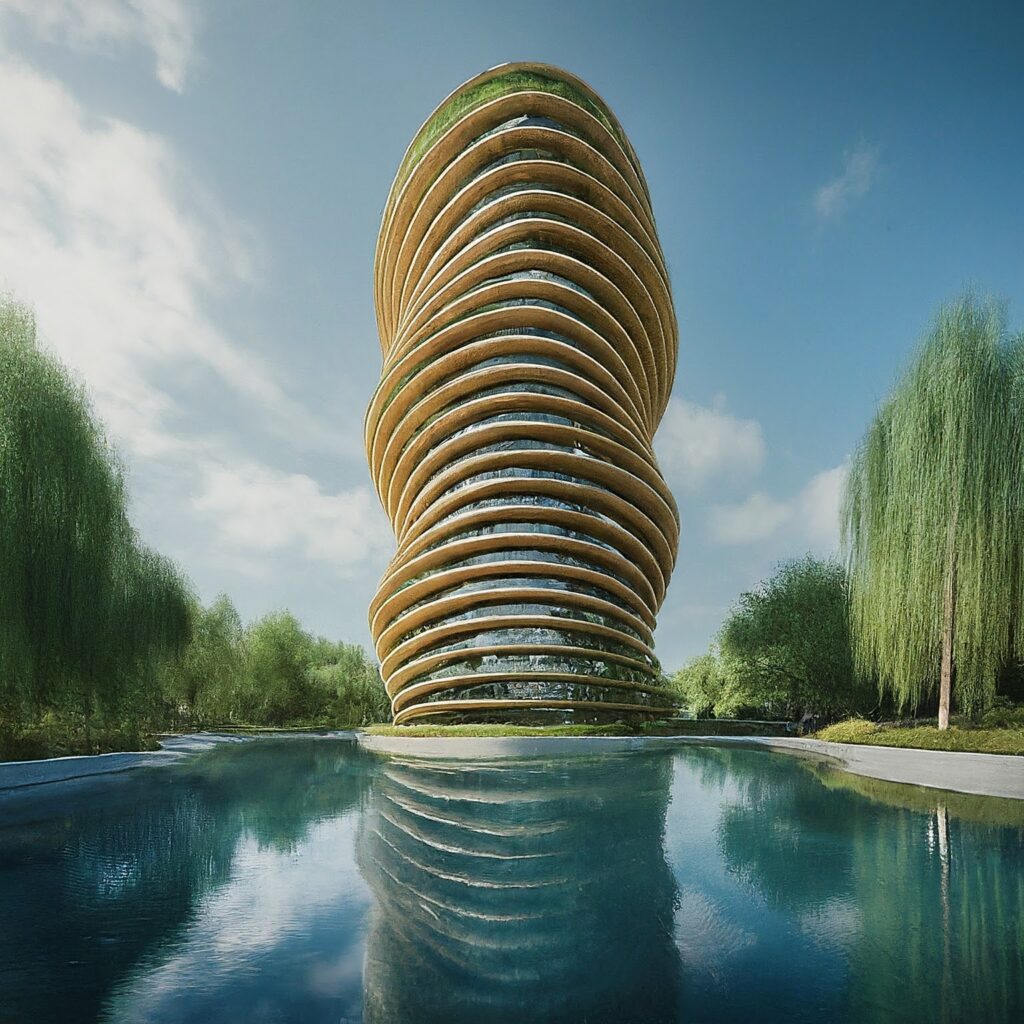
Have you ever thought about how bamboo could reshape how we build our homes, offices and cities? Bamboo is making waves in architecture, not just as a trendy material but as a real solution for sustainability, energy efficiency, disaster resilience and urban climate control. The Bamboo Revolution is here!
Bamboo and Biophilic Design: A Natural Fit
You’ve probably walked into a space filled with plants and felt instantly calmer, right? That’s the magic of biophilic design—bringing nature into our spaces. Bamboo is a perfect fit, adding warmth, beauty and a connection to nature.
A great example is the Green School in Bali, where bamboo is the main building material, creating a stunning and functional space. Check out their work here.

How Bamboo Helps Manage Urban Heat Island (UHI) Effects
The Urban Heat Island (UHI) effect makes cities hotter than surrounding areas due to heat-absorbing materials like concrete and asphalt.
How can bamboo help combat UHI effects?
- Natural Shading – Bamboo grows quickly, forming dense canopies that lower urban temperatures.
- Evaporative Cooling – Bamboo releases moisture, cooling the surrounding air and improving air quality.
- Replacing Heat-Trapping Materials – Bamboo surfaces absorb less heat than concrete, reducing city temperatures.
- Green Infrastructure – Bamboo parks, walls and rooftop gardens create cooling zones.
- Permeable Urban Design – Unlike concrete, bamboo supports rainwater infiltration, reducing urban overheating.
Why Bamboo is a Secret Weapon for Energy Efficiency
Bamboo grows up to 91 cm (35 inches) per day, making it one of the fastest-growing plants. Unlike traditional timber, which takes decades to mature, bamboo regenerates quickly without deforestation. It also absorbs carbon dioxide, making it a great tool for combating climate change. Discover more about biophilic and sustainable materials here. Bamboo’s natural insulating properties help regulate indoor temperatures, reducing energy use for heating and cooling. Its lightweight structure lowers transportation energy compared to concrete and steel.
Architects are incorporating bamboo into facades, ceilings and walls to enhance sustainability. Learn more about biophilic architecture and energy savings here.
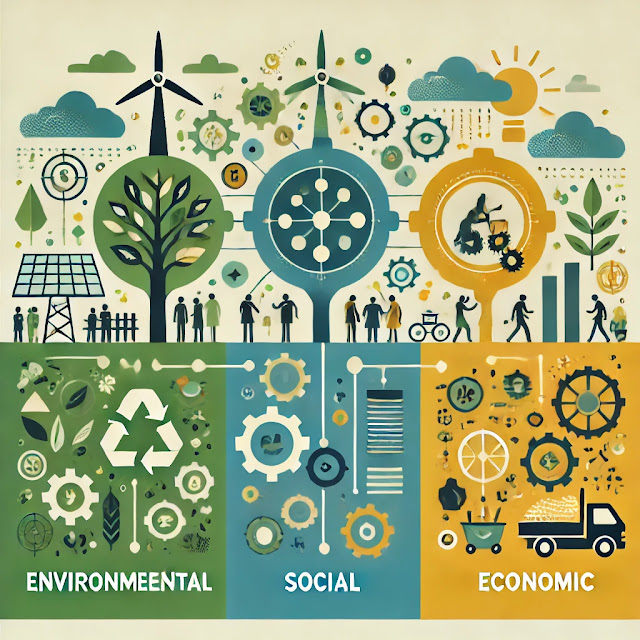
Bamboo aligns with the three pillars of sustainability—economic, environmental, and social. Learn more in this article.
Built to Withstand Nature’s Fury
Bamboo structures can withstand earthquakes better than concrete due to their flexibility. Many traditional homes in Asia and South America use bamboo for this reason.
A study by ArchDaily explores how bamboo structures survive major quakes.
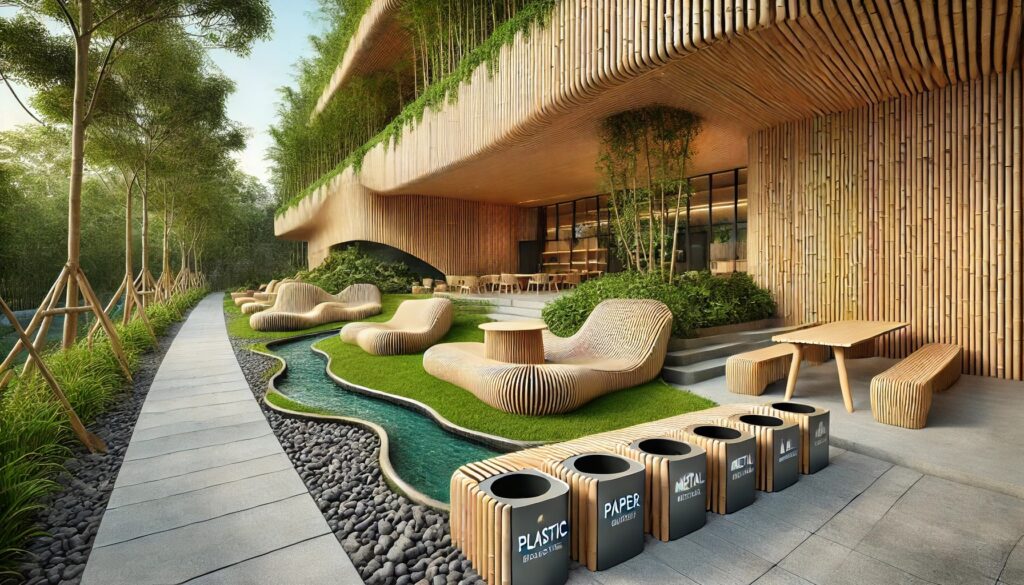
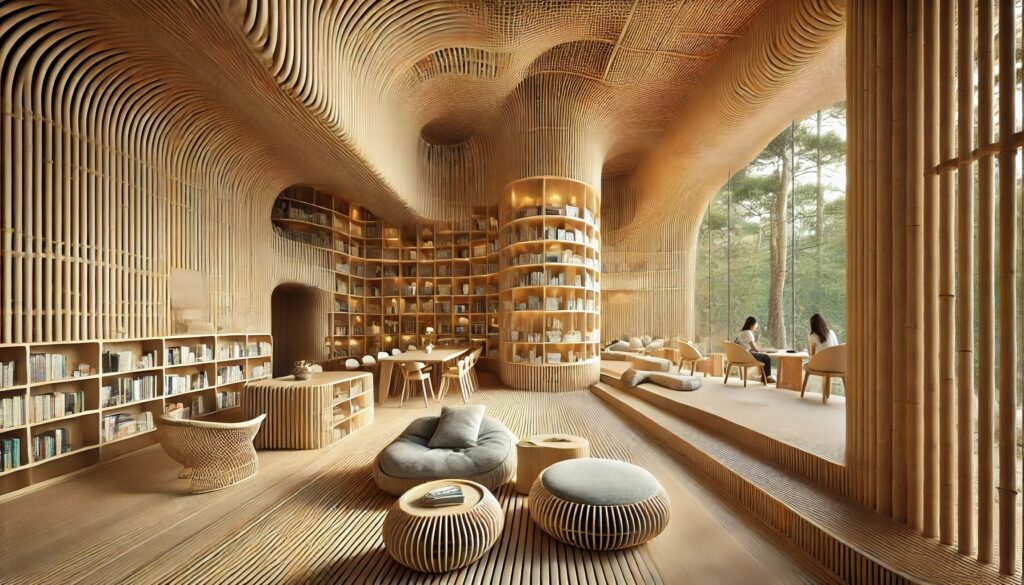
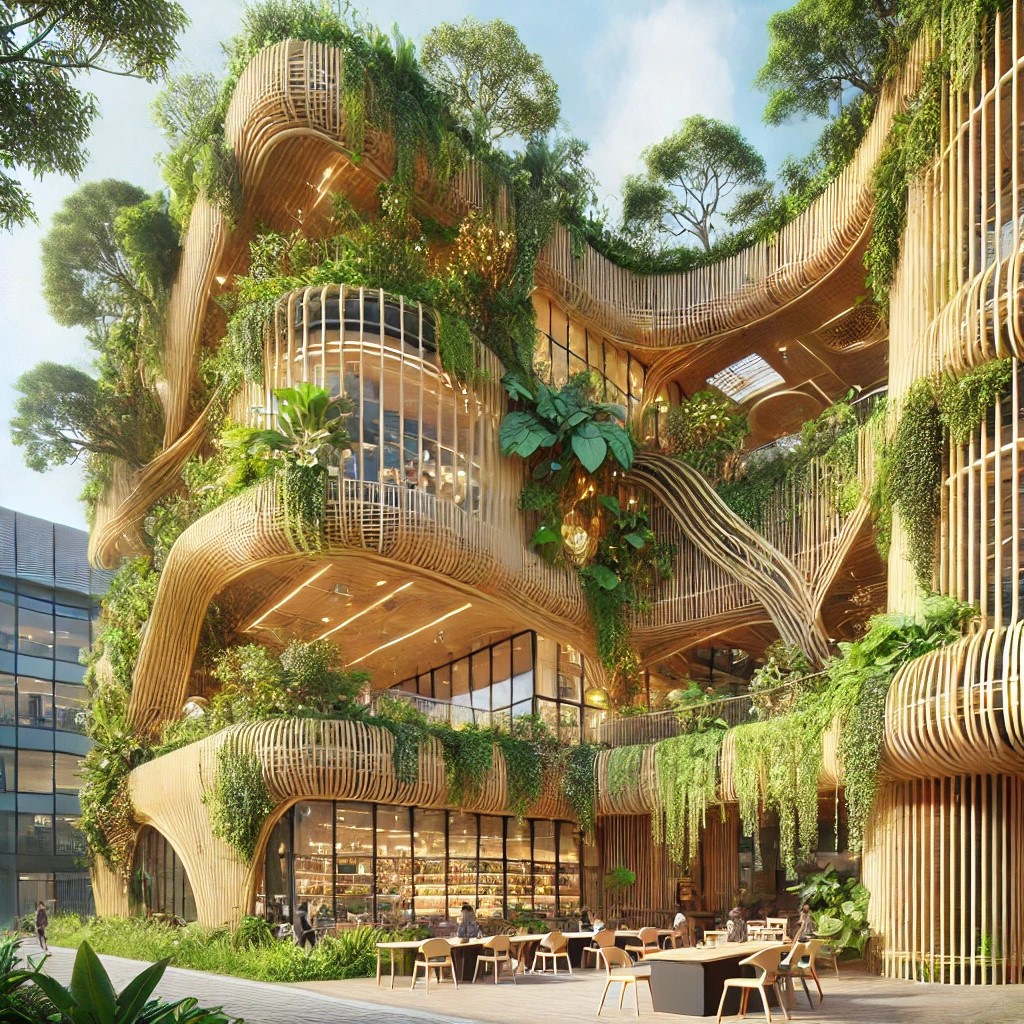
Concept bamboo architectural design inspired by water – University Café & Library Interior
Creative and Modern Uses of Bamboo
Think bamboo is just for huts and fences? Think again! Architects are using it in furniture, homes, and large-scale buildings. Panyaden International School in Thailand built a sports hall entirely out of bamboo, proving its strength, beauty, and modern appeal.
What’s Holding Bamboo Back?
Of course, no material is perfect. Bamboo needs proper treatment to prevent pests and decay, and not every country has building codes that recognize it as a standard construction material (yet). But with more research and success stories, that’s starting to change.
The Future is Bamboo
The way we build is evolving, and bamboo is at the forefront of this change. It’s sustainable, durable, and incredibly versatile. As we move toward a future where eco-friendly design is the norm, bamboo has the potential to lead the way. So, is bamboo the future of biophilic architecture? With its sustainability, strength, and natural ability to cool urban spaces, it certainly has the potential to reshape the way we build and live.
So, what do you think? Could you see yourself living or working in a bamboo-based building? 🌱🏡
Curious? learn more here Bamboo Construction.