The Role of Bamboo in Sustainable City Planning
Harnessing Bamboo for Urban Growth
As cities around the world grapple with the challenges of urbanization and climate change, the need for sustainable and resilient infrastructure has never been greater. One of the most promising solutions in sustainable city planning is the use of bamboo, a versatile and renewable resource that offers a range of environmental, economic, and social benefits. In this blog post, we will explore how bamboo is being incorporated into sustainable city planning across different climates and regions, with a focus on case studies from Asia, Africa, and South America.

Asia: Bamboo in Urban Infrastructure and Design
Asia has long been a leader in the use of bamboo, not just as a traditional building material but as a modern solution for sustainable urban growth. In countries like China, India, and Vietnam, bamboo is increasingly being integrated into urban infrastructure and design.
In China, bamboo is used extensively in the construction of eco-friendly buildings and public spaces. The country has embraced bamboo as a key material in its efforts to reduce carbon emissions and promote sustainable development. For example, the International Bamboo and Rattan Organization (INBAR), headquartered in Beijing, has been instrumental in promoting the use of bamboo in construction projects across Asia. INBAR’s projects include bamboo housing in rural areas, which not only provides affordable and sustainable housing but also supports local economies by creating jobs in bamboo cultivation and processing.
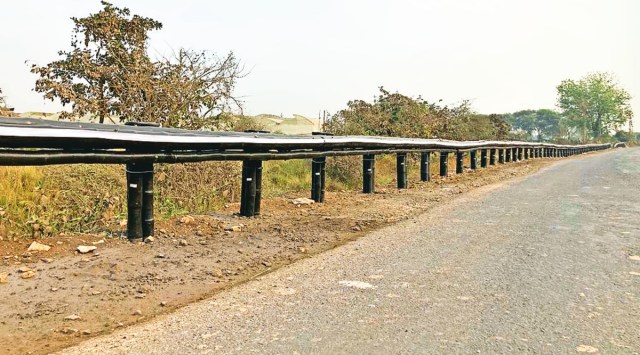
In India, bamboo is being used in innovative ways to address urban challenges. The city of Pune has implemented a project where bamboo is used to create green corridors along highways and urban streets. These bamboo corridors not only enhance the city’s aesthetic appeal but also help reduce pollution and provide habitats for urban wildlife. Additionally, bamboo has been used in the construction of temporary shelters and pavilions for festivals and public events, showcasing its versatility and cultural significance.
Africa: Bamboo as a Tool for Climate Resilience
In Africa, bamboo is increasingly recognized as a valuable resource for climate resilience and sustainable urban development. The continent’s diverse climates, from tropical rainforests to arid deserts, have seen the implementation of bamboo in various urban planning projects.
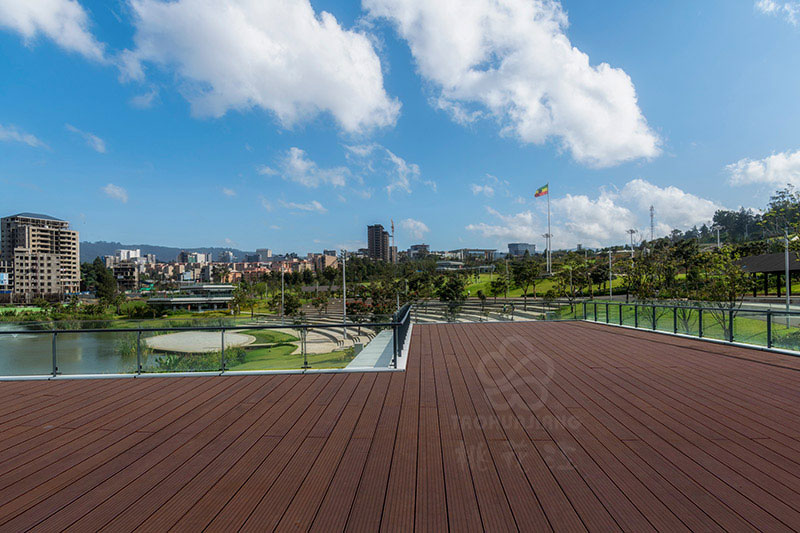
In Ethiopia, the government has launched a national initiative to promote the cultivation and use of bamboo as part of its climate resilience strategy. Bamboo is being used to combat soil erosion, restore degraded landscapes, and provide sustainable livelihoods for rural communities. In urban areas, bamboo is being integrated into green infrastructure projects, such as the creation of bamboo-lined walkways and public parks that improve air quality and offer recreational spaces for residents.
Kenya is another country that has embraced bamboo in its urban planning efforts. The Green Nairobi Initiative aims to plant bamboo along the city’s riverbanks and wetlands to prevent flooding and improve water quality. Bamboo’s fast growth and ability to absorb large amounts of water make it an ideal choice for these projects, contributing to Nairobi’s resilience against climate-related disasters.
South America: Bamboo in Public Spaces and Community Development
South America, with its rich biodiversity and commitment to sustainable development, has seen a surge in the use of bamboo in urban planning, particularly in public spaces and community-driven projects.
 |
| Medellin Bamboo Forest, photo: mycebuphotoblog.com |
In Colombia, bamboo, known locally as “guadua,” is a key material in sustainable construction. The city of Medellín, known for its innovative urban planning, has incorporated bamboo into the design of public parks, pedestrian pathways, and even low-cost housing projects. Bamboo’s strength and flexibility make it ideal for earthquake-resistant structures, which are essential in a region prone to seismic activity.
 |
| Medellin Bamboo Forest, photo: mycebuphotoblog.com |
Peru has also made strides in using bamboo for community development. In the Amazon region, bamboo is being used to build schools, community centers, and eco-tourism facilities.
 |
| Peru Visitor Center photo: Interiordesign.net |
These projects not only provide essential infrastructure for remote communities but also promote the sustainable use of local resources. The government has partnered with NGOs to train local artisans in bamboo construction techniques, empowering communities to take an active role in their development.
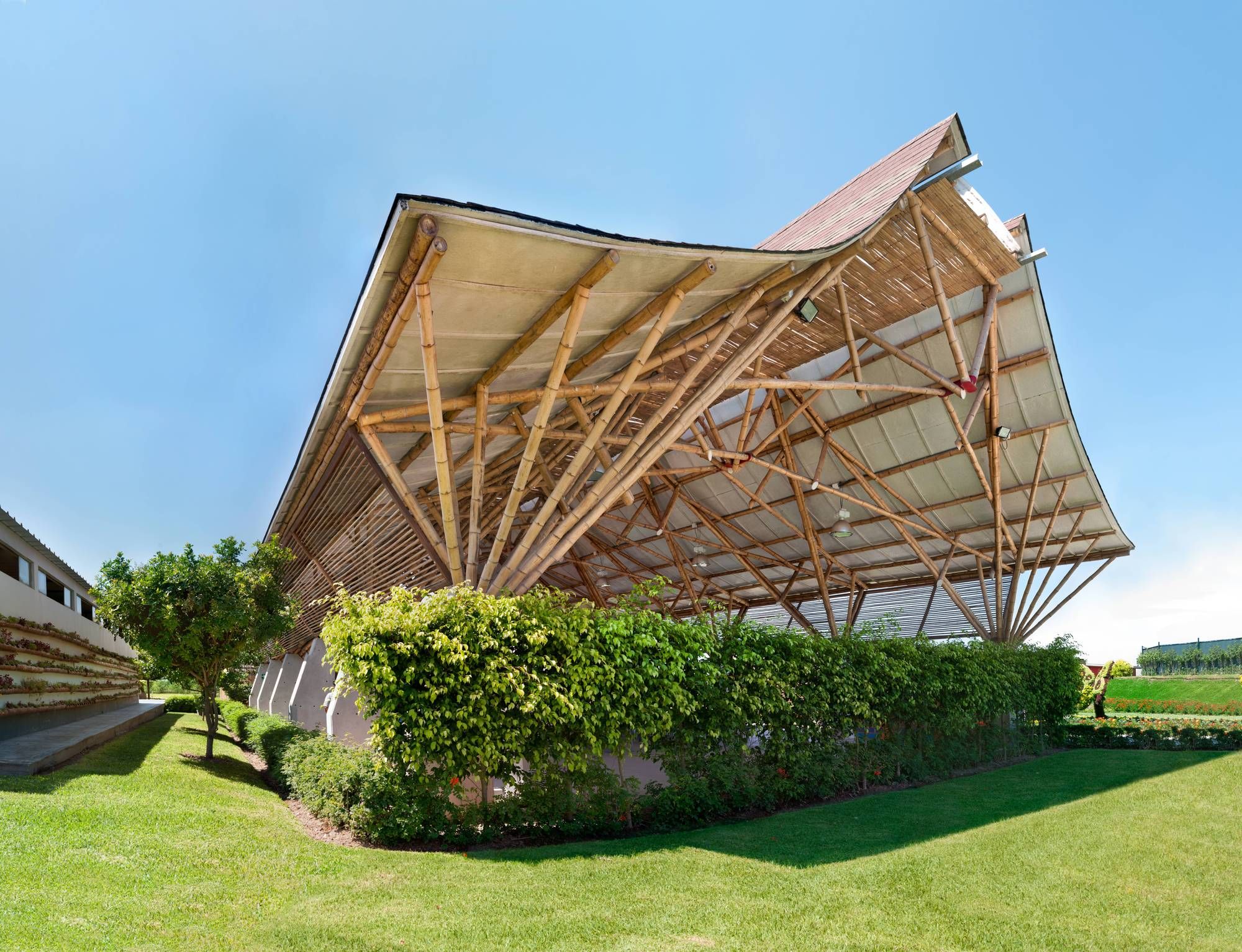 |
| Bamboo Auditorium-Instituto de Vivienda photo: Arch2o.com |
Conclusion: Harnessing Bamboo for Urban Growth
As these global case studies demonstrate, bamboo is playing an increasingly important role in sustainable city planning across diverse climates and regions. From Asia to Africa to South America, bamboo’s versatility, sustainability, and cultural significance make it an ideal material for creating resilient and livable urban environments.
By integrating bamboo into urban design, infrastructure, and public spaces, cities can reduce their carbon footprint, enhance biodiversity, and improve the quality of life for their residents. As the world continues to face the challenges of rapid urbanization and climate change, the use of bamboo in sustainable city planning offers a promising path towards a greener and more sustainable future.
Explore more about how bamboo is shaping the future of sustainable cities and learn about the latest innovations in eco-friendly urban planning from around the world.
References
-
International Bamboo and Rattan Organization (INBAR)
INBAR’s Role in Promoting Bamboo as a Sustainable Material -
China’s Use of Bamboo in Sustainable Development
China’s Green Building Movement: The Rise of Bamboo in Urban Infrastructure -
Pune’s Bamboo Green Corridors Project
Sustainable Urban Design: Pune’s Green Corridor Initiative -
Bamboo in Ethiopia’s Climate Resilience Strategy
Ethiopia’s National Bamboo Strategy and Action Plan -
Green Nairobi Initiative in Kenya
Kenya’s Green Nairobi Initiative: Bamboo for Urban Resilience -
Bamboo Use in Medellín, Colombia
Medellín’s Sustainable Development with Bamboo: A Case Study -
Bamboo Construction in the Amazon, Peru
Empowering Communities in the Amazon through Bamboo Construction
-
Bamboo’s Role in Earthquake-Resistant Structures
Guadua Bamboo: Building Resilient Structures in Seismic Zones