The Environmental Impact of Our Choices

The debate between Maximalism vs Minimalism has never been more urgent. Maximalism, driven by the desire for abundance, fuels overproduction and waste, especially in the fashion industry. In contrast, Minimalism promotes intentional living. It focuses on quality over quantity and offers a path to a more sustainable future. This post explores how these opposing lifestyles, Maximalism vs Minimalism, impact the environment and highlights the benefits of embracing minimalist practices.
Environmental Impact of Maximalist Consumption

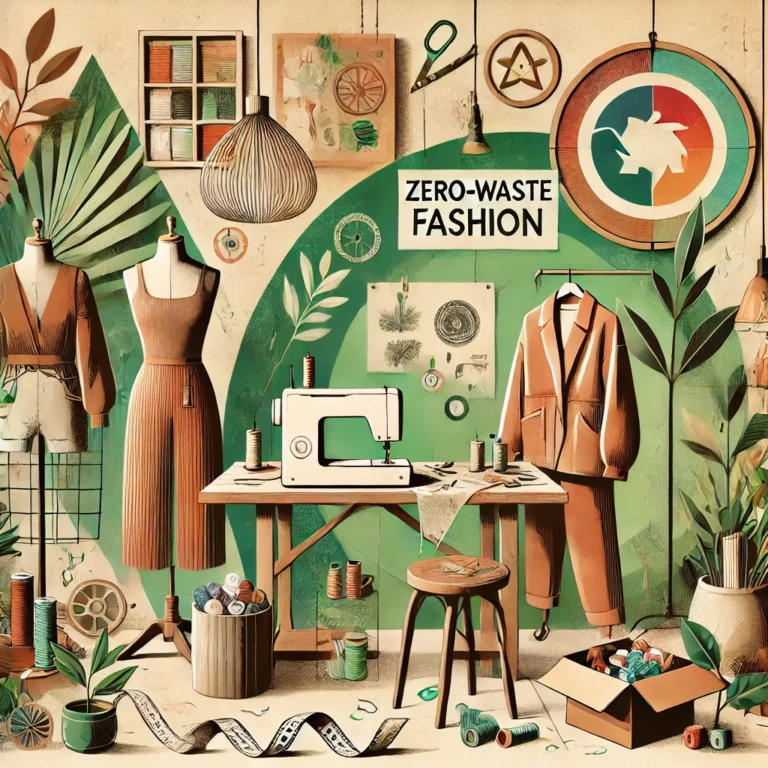
Maximalist consumption pushes people to accumulate unnecessary goods, creating massive amounts of waste. The fashion industry serves as a clear example. Fast fashion has driven a surge in textile production and disposal, with the amount of clothes purchased in the EU increasing by 40% in just a few decades. This growth leads to more waste, microplastic pollution in water and emissions from transportation.
Understanding the contrast between Maximalism vs Minimalism is crucial in today’s consumer-driven society. The choices we make as consumers can significantly affect our planet.
In the context of Maximalism vs Minimalism, it is essential to consider how each approach influences our waste management and environmental policies.
Additionally, maximalist approaches extend beyond clothing. Brands often use excessive packaging materials that harm the environment. Research shows how unnecessary packaging can increase resource use and waste. Therefore, companies must adopt eco-friendly alternatives to address these issues effectively.
Benefits of Minimalist Consumption
By adopting Minimalism, we can significantly decrease our ecological footprint and contrast sharply with the wastefulness of Maximalism.
The principles of Maximalism vs Minimalism also encourage brands to rethink their packaging and production methods.

These case studies illustrate how Maximalism vs Minimalism plays out on a global scale, demonstrating the effectiveness of minimalist policies.
Minimalism reduces consumption and helps individuals lower their environmental impact. Instead of buying in excess, people choose only what they truly need. This mindset conserves resources and cuts waste generated by manufacturing and disposal processes.
Furthermore, Minimalism encourages conscious consumption. For example, mindful purchases allow individuals to align their actions with sustainable values. This shift in consumer behaviour can push industries to adopt more eco-friendly practices.
Recycling is a key element of Minimalism, contrasting with the wasteful practices stemming from Maximalism.
Case Studies: Singapore, Rwanda, Japan, Korea, and Germany
Ultimately, understanding the dynamics of Maximalism vs Minimalism empowers individuals to make choices that benefit the environment.
Several countries have successfully implemented policies and practices that align with Minimalism:
- Singapore: The country’s Zero Waste Master Plan enforces strict recycling laws. It encourages material repurposing and has significantly reduced the country’s reliance on landfills.
- Rwanda: Rwanda’s ban on single-use plastics promotes cleaner environments. The policy inspires citizens to adopt sustainable habits and reduces plastic waste effectively.
- Japan: Japan has one of the world’s most efficient recycling systems, requiring strict waste segregation. Its Recycling Promotion Law ensures proper disposal and repurposing of materials to minimise waste.
- Korea: South Korea’s Extended Producer Responsibility (EPR) programme holds manufacturers accountable for the full lifecycle of their products. This policy encourages industries to focus on product recyclability and reduce unnecessary waste.
- Germany: Known for its recycling culture, Germany boasts one of the highest recycling rates in the world. The Green Dot System requires companies to pay fees for product packaging, incentivising them to reduce packaging waste and use sustainable materials.
The Role of Recycled Materials
Recycling fits naturally with Minimalism. Brands are increasingly using recycled materials, reducing reliance on virgin resources. For instance, the Danish fashion brand Ganni produces clothing from recycled polyester. This approach shows how innovation can lead to practical and sustainable solutions.
Conclusion
The Maximalism vs Minimalism debate is not just about lifestyle. It is a critical choice with far-reaching environmental implications. Maximalism fuels waste and overconsumption, but Minimalism supports sustainable living and reduces ecological harm. By shifting towards Minimalism, supporting recycled products and prioritising conscious consumption, individuals and societies can make a meaningful impact on the planet.
Sources:
- Minimalism and Sustainability: Finding Balance in an Overabundant World
- Minimalism vs Maximalism – Is less always more when it comes to CPG packaging?
- Ganni inks four-year deal with polyester recycler
- Japan’s Recycling Promotion Law
- Korea’s Extended Producer Responsibility System
- Germany’s Green Dot System