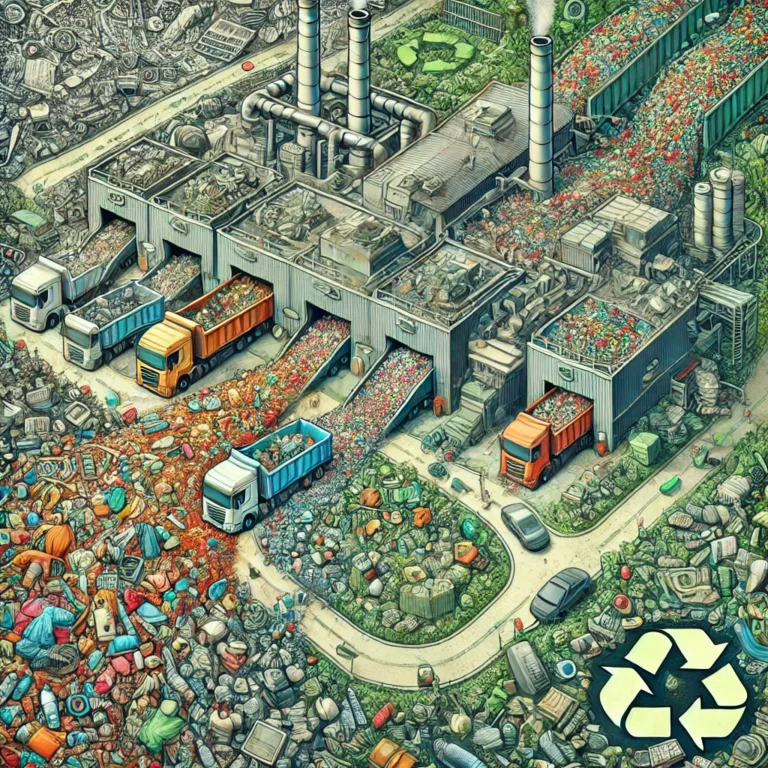
Transforming Fashion and Fostering Sustainable Entrepreneurship

Zero-waste fashion – Zero-waste and Fashion Sustainability have become critical focuses in the fight against overconsumption and waste. The fashion industry’s environmental impact is staggering, contributing significantly to pollution, resource depletion and climate change. Every year, millions of tons of textiles are discarded globally, often ending up in landfills or incinerators. Meanwhile, the production of fast fashion continues to exploit natural resources, with synthetic fabrics releasing microplastics into waterways and the atmosphere. These environmental consequences are not just local but global, affecting ecosystems, wildlife and human health.
The demand for sustainable solutions in fashion has never been greater. By adopting eco-friendly practices such as recycling, upcycling and mindful consumption, individuals and businesses have the power to reduce waste and conserve resources. At the same time, innovation in materials and processes is opening new opportunities for creative entrepreneurs. This blog explores actionable steps for promoting fashion sustainability, the potential of entrepreneurial ventures in recycling and upcycling and how these efforts can inspire other industries to embrace sustainability. Together, these initiatives can reshape fashion into a force for environmental progress.
Practical Steps Towards Sustainable Fashion
- Reusing and Updating Wardrobes
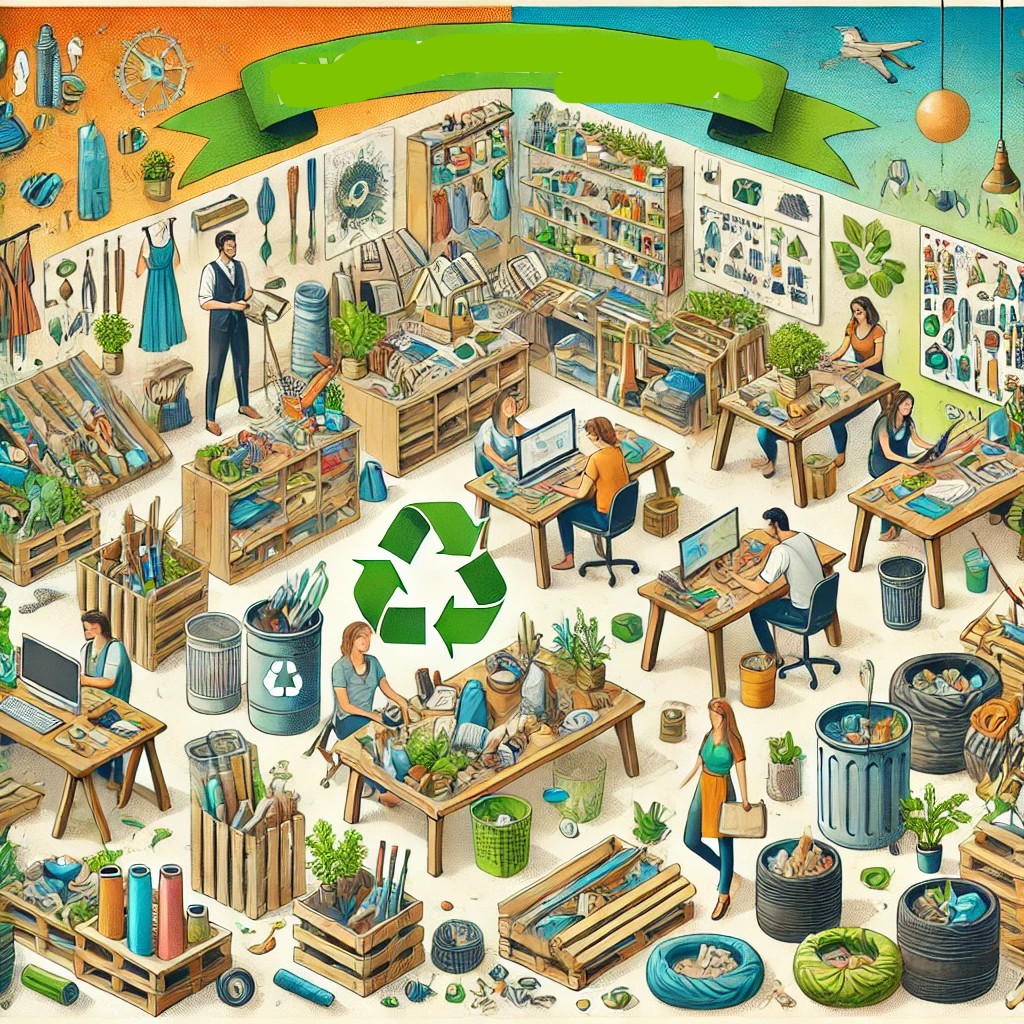
Giving clothes a second life is one of the simplest ways to embrace sustainability. Repairing, tailoring or upcycling old garments can transform outdated pieces into fresh, stylish options. Community-driven initiatives, such as Japan’s Reuse Fashion Project, encourage consumers to donate, swap or repurpose clothing. These efforts significantly reduce the volume of discarded textiles that end up in landfills. - Establishing Community Recycling Initiatives
Local efforts to collect and process textiles can make a huge difference. In Senegal, micro-factories convert plastic waste into furniture and paving materials. Such initiatives demonstrate how small-scale recycling efforts can bring economic and environmental benefits while empowering communities to take control of waste management. - Corporate and Government Collaboration
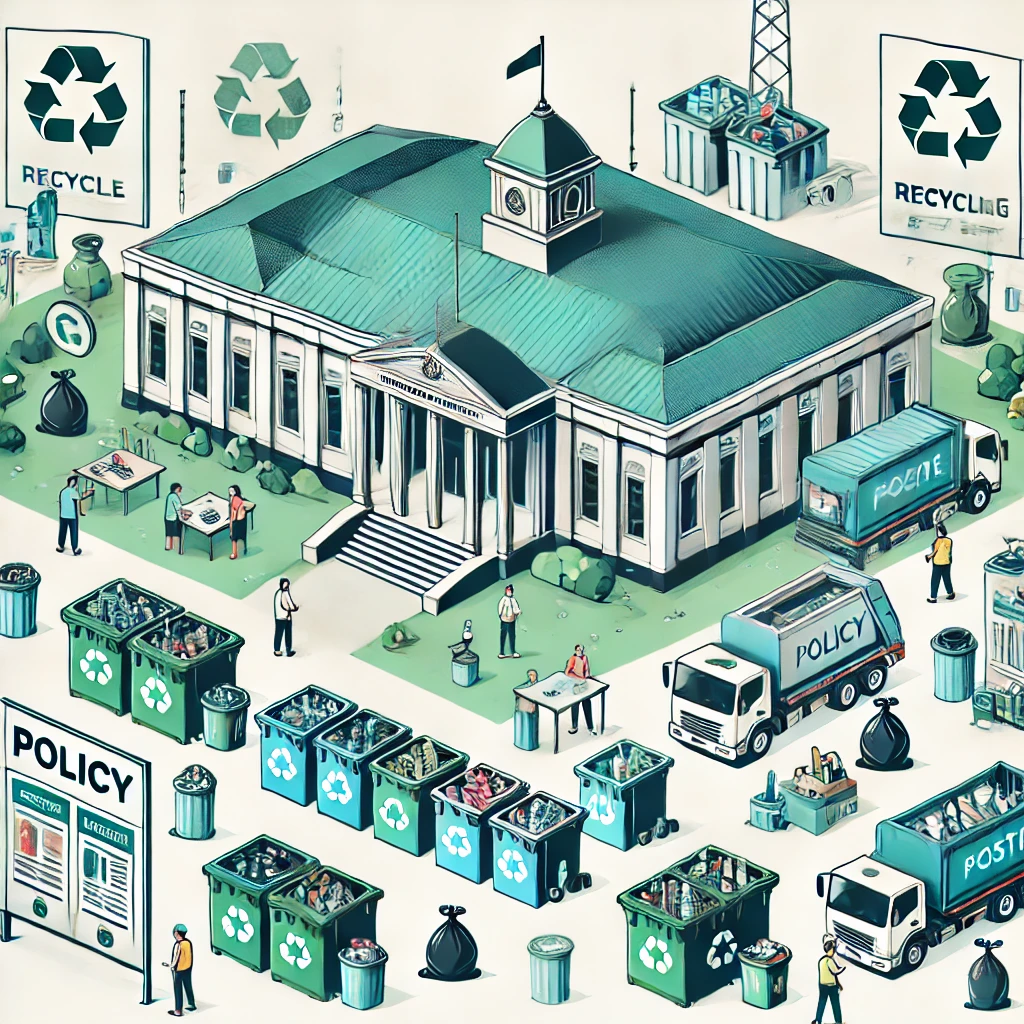
Governments, corporations and international organisations must work together to create impactful recycling systems. Partnerships like those promoted by Plastics for Change show how funding and innovation can help develop systems that turn waste into reusable materials. These collaborations can scale up sustainable practices, ensuring they become mainstream solutions for reducing waste.
Entrepreneurial Opportunities in Sustainable Fashion
Sustainable entrepreneurship offers immense potential for addressing fashion’s environmental impact. Businesses can explore innovative ideas in the following areas:
- Recycled Product Creation: Businesses can transform textiles and plastics into functional items such as storage units, home décor or building materials. For instance, Pentatonic produces modular furniture from post-consumer waste, combining quality with sustainability. Similarly, Looptworks upcycles surplus materials into rugs and other home accessories, appealing to eco-conscious consumers. In construction, companies like ByFusion create durable building blocks from unrecyclable plastics, reducing the need for virgin materials.
- Textile Recycling Innovations: Advancements in recycling technology have made it possible to convert discarded clothing into usable fibres. For example, Worn Again Technologies extracts polyester and cellulose from textiles for reuse. Brands like Patagonia use mechanical recycling to produce fibres for outerwear, while H&M’s Loop Project combines mechanical and chemical recycling in garment-to-garment production systems.
- Plastic-to-Product Ventures: Turning plastic waste into high-quality products has transformed industries. Adidas’ Parley for the Oceans collection uses ocean plastics to create stylish footwear, while Rothy’s crafts shoes and bags from recycled plastic bottles. Additionally, Algramo offers refillable packaging systems made from recycled plastics, helping to combat single-use waste.
Expanding Opportunities Across Industries
Sustainability in fashion can inspire eco-friendly practices in other sectors. Recycled materials have found applications in construction, automotive manufacturing and renewable energy. For example, recycled plastics are being used to produce durable vehicle components and building materials, reducing reliance on traditional resources. Companies are also exploring recycled materials for solar panels and wind turbines, integrating sustainability into the renewable energy industry.
Conclusion
Fashion sustainability is not just a trend—it is an essential movement for reducing waste and protecting the planet. By focusing on reusing materials, fostering innovation in recycling and supporting entrepreneurial efforts, the fashion industry can evolve into a sustainable model for other sectors. Governments, corporations and individuals all play a crucial role in creating a world where resources are maximised and waste is minimised. Together, we can ensure that fashion becomes a force for environmental good.
Sources:
- Reuse Fashion Project
- Plastics for Change
- Micro-factories in Senegal
- Pentatonic
- Looptworks
- ByFusion
- Worn Again Technologies
- Patagonia
- H&M’s Loop Project
- Parley for the Oceans
- Rothy’s
- Algramo